Published on March 16, 2026
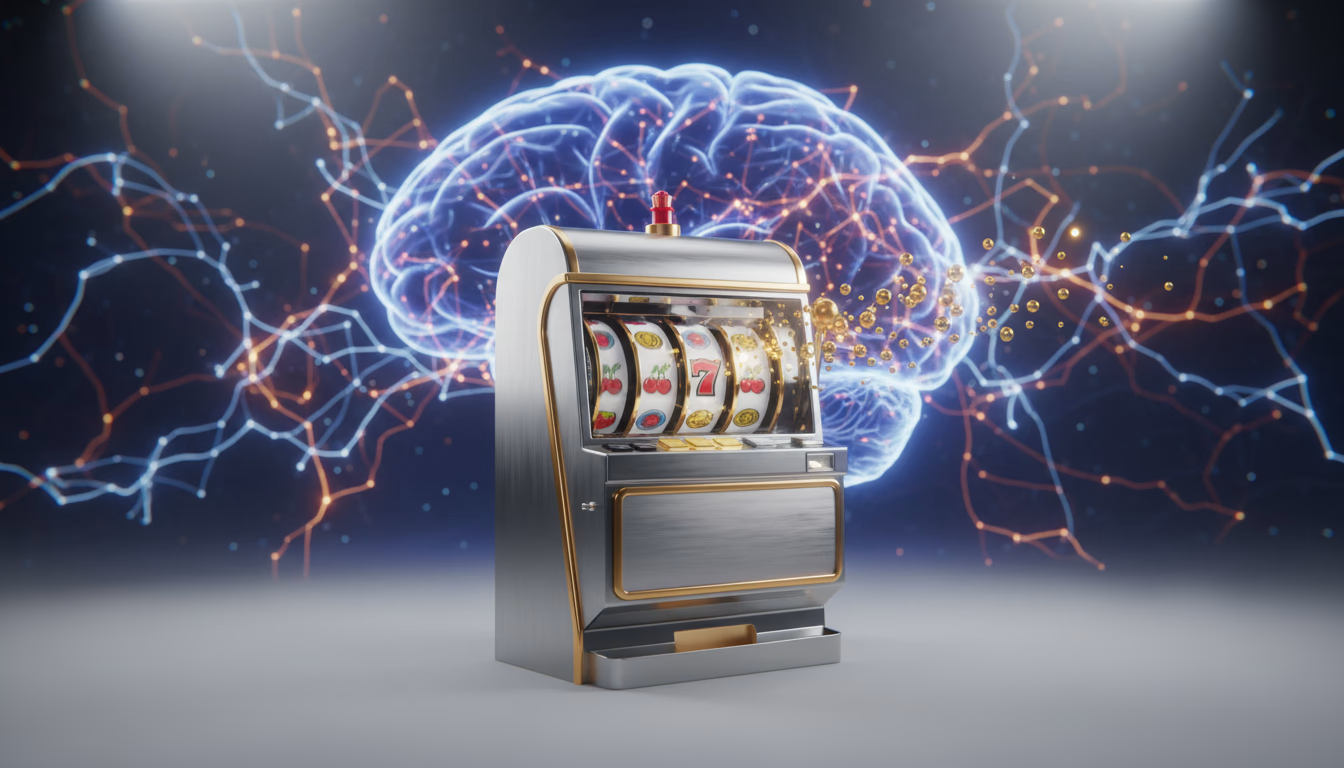
Imagine the electrifying rush of pulling that lever, the lights flashing, the reels spinning—it's not just luck; it's your brain on fire! At D8Casino, we dive into the shadowy depths of why slot machines grip us so tightly. This isn't mere chance; it's a neurological symphony orchestrated by your own mind, craving that next dopamine hit like a lover in the night.
Brain Chemicals Involved
- Dopamine: The pleasure chemical that surges with every near-miss, fooling you into thinking victory is imminent.
- Serotonin: Balances mood but dips low in addiction, leaving you chasing highs to feel normal again.
- Norepinephrine: Heightens arousal, making each spin feel like a heart-pounding adventure.
- Endorphins: Natural painkillers that mask losses, turning defeat into temporary bliss.
Picture this: Your brain's reward center, the nucleus accumbens, lights up brighter than a Vegas strip when those symbols align. It's not gambling; it's a primal dance with evolution's wiring, where survival instincts meet modern machines in a intoxicating embrace. This is where the real thrill lies—understanding how your gray matter betrays you for that elusive jackpot.
Why Do Slot Machines Feel So Addictive?
Slot machines trigger dopamine releases in the brain, creating a rush similar to other addictions, making every spin feel like a potential jackpot.
How Can I Control My Slot Playing Habits?
Set strict time and money limits, take regular breaks, and focus on the entertainment value rather than winning. One practical approach is switching to low-multiplier auto-bet systems like the 1.01x strategy that turned $200 into $9,400, which removes impulsive decision-making from the equation.
Is Slot Addiction Similar to Drug Addiction?
Yes, both involve the brain's reward system, with overlapping neural pathways that crave the high from wins or highs. If variety helps curb compulsive behavior, consider exploring underrated casino games that offer a different pace and lower psychological pressure.
"The brain doesn't distinguish between a slot win and a cocaine hit—it's all about that reward pathway exploding with joy." — Neuroscientist Dr. Elena Vasquez
| Addiction Type | Brain Impact | Common Triggers | Recovery Strategies |
|---|---|---|---|
| Slot Machines | Dopamine overload in reward centers | Near-misses, flashing lights | Time limits, therapy |
| Drugs | Similar dopamine surges | Substance intake | Detox, support groups |
| Food | Endorphin release | Sugary treats | Diet plans, mindfulness |
| Social Media | Serotonin boosts from likes | Notifications | Digital detox, boundaries |
Tips for Control
- Set Boundaries: Decide on a budget before starting—stick to it like glue!
- Take Breaks: Step away every 30 minutes to reset your mind's frenzy.
- Seek Help: If the pull is too strong, talk to professionals—it's a sign of strength, not weakness.
- Focus on Fun: Remember, it's entertainment, not a path to riches.
The siren call of slots can be deafening, but armed with this knowledge, you can turn the tables. If you prefer dice over reels, our breakdown of hidden house edges in dice games reveals similarly deceptive mechanics at work. You can also browse the top 15 crypto dice sites for 2025 for platforms with transparent odds. And for a look at how AI is reshaping the entire gambling industry — including the algorithms behind those dopamine-triggering near-misses — our deep dive connects the neuroscience to the technology. Explore more responsible gaming insights back at our main page and keep the thrill alive without the chains.